


How Do You Photograph Concerts and Festivals

Updated: Mar 31
# Mastering Concert Photography: Your Ultimate Guide to Access and Success
TL;DR: Photographing concerts and festivals requires more than technical camera skills. To successfully photograph concerts and festivals, you need a strong portfolio, a clear access strategy, and an understanding of how the live music industry works.
Concert photography is about access, preparation, and trust.
It's not just about having a camera; it’s about proving you belong in the pit, building relationships with the right teams, and delivering fast, usable content that earns repeat approval.
Start with Access, Not Just Gear
Photographing live music begins with access. Without approval, you're shooting from the crowd, if you're allowed at all. Whether you're targeting local venues or major festivals, the approval process is based on experience, network, and timing.
Who Handles Photo Access?
Depending on the event, access is controlled by:
Artist publicists and touring PR teams
Venue marketing staff
Festival media credential departments
Finding the right contact matters more than writing the perfect pitch. Use tools like hunter.io to locate press contacts and always check artist, venue, and festival websites for official credential forms.

Build a Portfolio That Gets You Approved
You don’t get into photo pits by asking nicely. You get in by proving you’ve already done the work, managed similar relationships, and established credibility.
What Should Your Portfolio Include?
Your portfolio should reflect your niche, style, and the type of clients you want to attract. Regularly curate and update it to align with the audience you want to work with. This ensures your work remains relevant, targeted, and compelling to those hiring for live music photography.
Highlight your strengths, but also demonstrate your range. Clients look for flexibility, agility, and proof that you can deliver under different conditions and angles.
Tight shots (performer expressions, gear details)
Wide shots (stage presence, lighting design)
From the crowd (audience POV, immersive)
Of the crowd (energy, reactions, volume)
Set shots (full band, full stage)
Backstage shots (candid, crew, pre-show)
Detailed shots (instruments, tattoos, lighting rigs)
Personalized shots (signature artist moments)
Vendor/promo shots (branding, activations, sponsor visibility)

Full stage view of Maroon 5 at American Airlines Center 
Wide set photo at Riverbeat Music Festival 
From the crowed shot of Cage the Elephant 
Machine Gun Kelly Portrait 
Diplo DJ Set 
Chiefs Fans crowed shot 
311 Tight Shot 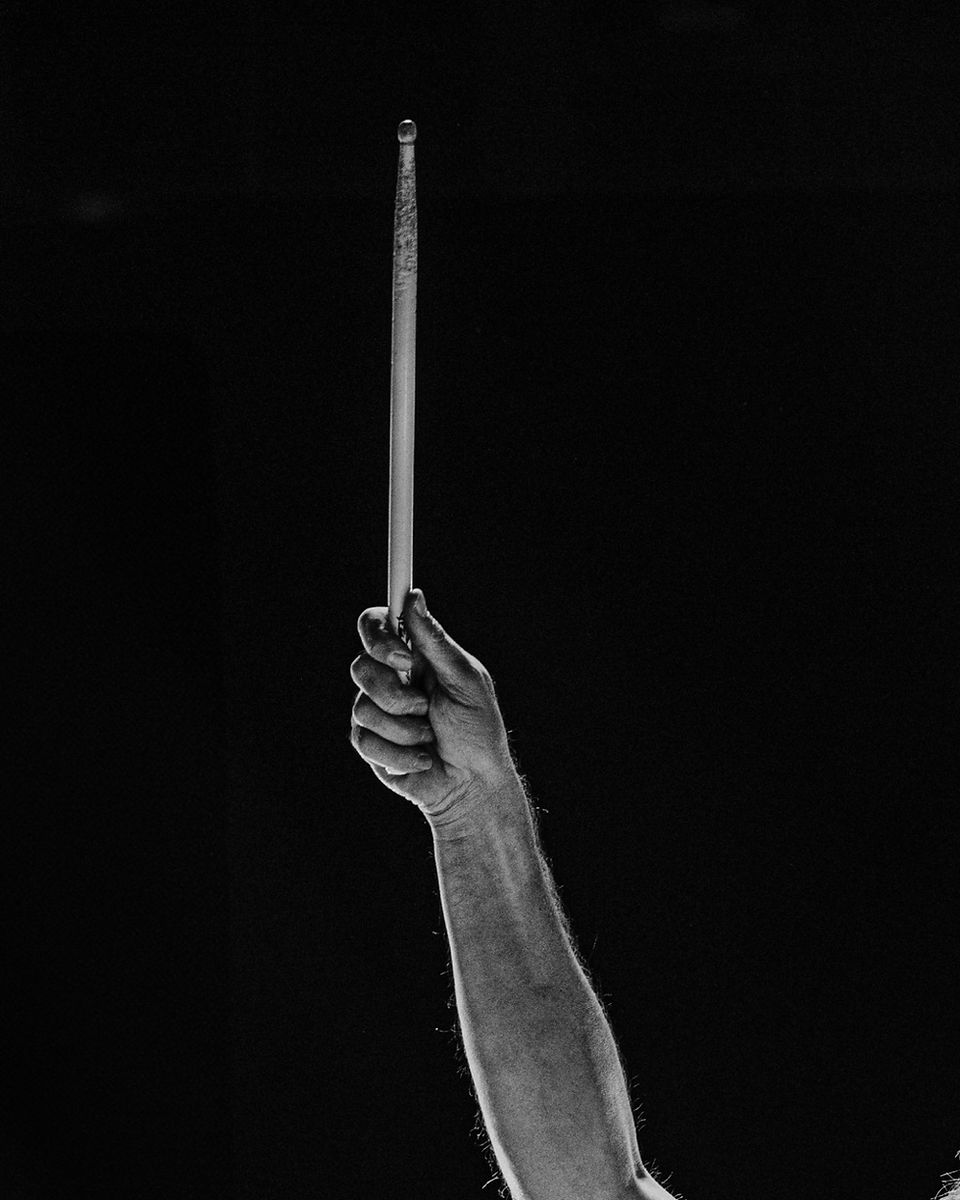
Drum Stick Detailed Shot 
Detailed Shot of Flo Milli
Start small: local venues, GA festivals, or openers. Make your photos look like you were already approved. Editors and PR teams are scanning for proof, not potential.
Explore more content on how to build a portfolio:
Managing Deliverables for Concerts and Festivals
What gear I use for concert photography
How I shoot and edit live music
Download my Lightroom presets
Rejection Happens, Follow Up Anyway
Most cold emails won’t get responses. Approval rates are often under 5% (Cold Email Response Rate Benchmarks (Instantly, 2026)), especially for freelancers, who are more likely to be passed over due to limited credentials, lack of prior relationship, or uncertainty about reliability. That’s not a failure; it’s part of the workflow.
Keep a Contact Tracker
PR and touring team contacts
Past approvals or rejections
Follow-up notes with recent work
A “no” can turn into a “yes” months later, for several reasons:
Availability opens up on the press team
Press credentials become available after they are requested
Date of the event changes causing higher demand for available talent
Once you've proven you’re reliable, quality isn’t the bottleneck. Most rejections aren’t about your work; they’re about timing, space, and trust.
Deliver Work That Makes Teams Want You Back
Getting approved is only the beginning. To build long-term relationships with artists, festivals, or editors, you need to be fast, easy to work with, and clear about rights/usage.
Send Deliverables on Time
Venues, festivals, and promoters often require selects to be delivered within the same day or 24 hours of the show.
Include Clear Download or Usage Instructions
Many established organizers will require you to sign a contract called a Release Agreement which outlines guidelines to usage and photo rights.
Don’t Assume Payment Unless It’s Confirmed in Writing
Always set a base rate for your services, but never assume you'll be paid unless it's confirmed in writing. In most cases, payment only happens when you're hired directly by the venue, promoter, or artist team. If you're covering an event for editorial or portfolio purposes, compensation is rarely part of the arrangement.
Professionalism turns one gig into five. Shooting shows is one thing; getting hired again is another. The path to paid work isn’t just about great images; it’s about being useful to the right teams: PR agencies, artist managers, tour marketers, editorial leads, and festival content crews. When you support their goals, you earn more than access; you earn trust, repeat calls, and long-term credibility.
Examples of Festival Media Operations
Coachella: Goldenvoice Media Team
Austin City Limits: C3 Presents
Lollapalooza: C3 Presents
These teams look for consistent shooters who understand event dynamics, experience, and speed, not just flashy edits.
Stay Visible After the Show
The more your work is seen by the right people, the more likely you are to get hired. Artists, venues, and promoters notice photographers who consistently deliver and show up. Access often comes from recognition, not requests.
Follow Up on Social
Engage with media teams on Instagram, LinkedIn, or Threads. Most of my long-term approvals came from staying visible, not just pitching once. Follow, comment, like, and share posts from other photographers, venues, and creatives alike to support and grow your network.
Key Takeaways
Access comes before gear. Great photos don’t matter if you’re not approved; learn who controls credentials and how to reach them.
Your portfolio is your pitch. Editors and PR teams aren’t guessing; they’re scanning for proof that you’ve done similar work at a similar scale.
Most rejections aren’t personal. Approval rates are low, especially for freelancers. Persistence, timing, and professionalism open more doors than talent alone.
Reliable delivery builds repeat access. Fast turnaround, clear usage terms, and respectful communication are what turn one shoot into five.
Visibility beats cold pitches. Staying top of mind through relationships and consistent public work often gets you hired before you even ask.
Helpful Links to Photograph Concerts
How to build a music photography portfolio
Festival photo application example – Lollapalooza
Canon USA Press Credential Guide
How to pitch yourself to shoot tours and festivals
Conclusion
In the world of concert photography, success hinges on more than just your gear. It’s about access, relationships, and delivering exceptional work. By following these strategies, you can elevate your photography game and become a sought-after name in the industry. Let's capture those unforgettable moments together!

Comments